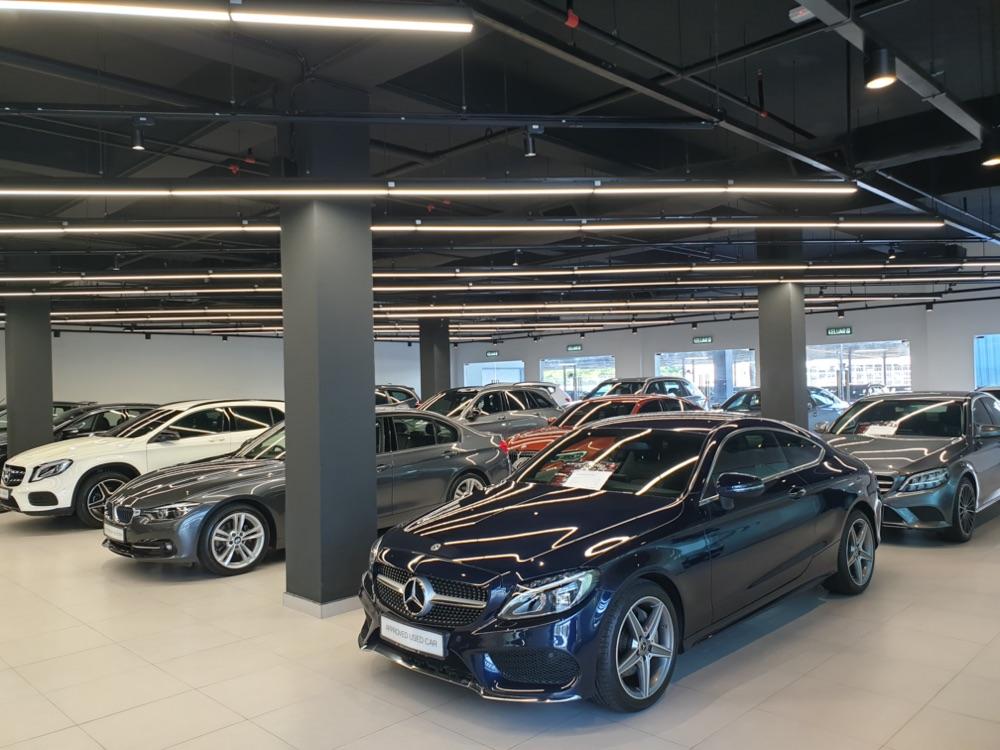
Buying a pre-owned vehicle is one of the smartest ways to enjoy reliable motoring while receiving excellent value for money. Unlike a brand-new vehicle, a quality pre-owned vehicle has already experienced the largest portion of its depreciation, allowing buyers to purchase a higher specification vehicle at a more affordable price.
However, purchasing a used vehicle requires careful consideration. Understanding what to inspect, what questions to ask, and how to compare your options can help you make an informed decision and avoid unexpected costs later.
Whether you’re buying your very first vehicle or upgrading to something newer, the following guide will help you purchase with confidence.
Set a Realistic Budget
Before viewing vehicles, establish a realistic budget that includes more than the purchase price alone.
Ownership costs may include:
- Vehicle insurance
- Fuel expenses
- Licensing and registration
- Scheduled servicing
- Tyre replacement
- Unexpected maintenance
- Monthly finance repayments
Having a complete understanding of your budget helps you choose a vehicle that remains affordable throughout your ownership.
Choose a Vehicle That Matches Your Lifestyle
Every driver has different requirements.
Consider how the vehicle will be used on a daily basis.
Questions worth asking include:
- Will the vehicle mainly be used for city driving?
- Do you regularly travel long distances?
- Is additional luggage space important?
- Will the vehicle be transporting a family?
- Is fuel efficiency one of your priorities?
- Do you require towing capability?
Selecting a vehicle based on your lifestyle generally results in greater satisfaction and lower ownership costs.
Research the Vehicle Model
Before arranging a viewing, research the make and model thoroughly.
Reliable sources can help you understand:
- Overall reliability
- Typical maintenance costs
- Fuel economy
- Spare parts availability
- Safety features
- Common mechanical issues
- Long-term ownership costs
Choosing a vehicle with a strong reputation for reliability often reduces future maintenance expenses.
Inspect the Exterior
Walk around the vehicle carefully and inspect it from every angle.
Pay attention to:
- Paint consistency
- Body panel alignment
- Signs of rust
- Stone chips
- Scratches
- Dents
- Windscreen condition
- Tyre tread
- Alloy wheels
Uneven paintwork or inconsistent panel gaps may indicate previous accident repairs, while uneven tyre wear can suggest suspension or alignment problems.
Examine the Interior
The condition of the interior often reflects how well a vehicle has been cared for.
Inspect the following:
- Seats
- Steering wheel
- Dashboard
- Gear selector
- Air conditioning
- Infotainment system
- Electric windows
- Interior lighting
- Seatbelts
Every control should operate correctly, and no dashboard warning lights should remain illuminated after starting the engine.
Review the Service History
A complete service history provides valuable insight into how the vehicle has been maintained.
Look for evidence of:
- Routine oil services
- Brake maintenance
- Major scheduled services
- Timing belt replacement where applicable
- Cooling system maintenance
- Battery replacement
Regular servicing demonstrates responsible ownership and contributes to long-term reliability.
Inspect the Engine Bay
Open the bonnet and inspect the engine compartment.
Look for signs of:
- Oil leaks
- Coolant leaks
- Damaged hoses
- Loose wiring
- Excessive corrosion
- Poor maintenance
While a clean engine bay is encouraging, it should always be considered together with the vehicle’s service history and overall condition.
Take a Proper Test Drive
Never purchase a vehicle without driving it first.
During the test drive, assess:
- Steering response
- Engine performance
- Brake feel
- Gear changes
- Suspension comfort
- Cabin noise
- Acceleration
- Dashboard warning lights
Drive on different road surfaces whenever possible to gain a better understanding of how the vehicle performs under normal driving conditions.
Consider Long-Term Ownership Costs
The purchase price is only one part of owning a vehicle.
Also evaluate:
- Insurance premiums
- Fuel consumption
- Scheduled maintenance
- Tyre replacement costs
- Spare parts pricing
- Future resale value
A vehicle with lower operating costs often proves to be the better investment over time.
Ask Important Questions
Before making your decision, ask your dealership:
- Has the vehicle been serviced regularly?
- Is the service history available?
- Has the vehicle undergone mechanical inspections?
- What finance options are available?
- Can I arrange a test drive?
- Are warranty options available?
A reputable dealership should answer these questions clearly and transparently.
Purchase From a Trusted Dealership
Buying from a professional dealership offers greater peace of mind than purchasing privately.
An established dealership will typically:
- Professionally inspect vehicles
- Verify documentation
- Offer finance assistance
- Accept trade-ins
- Assist with ownership transfer
- Provide after-sales support
Working with a trusted dealership helps reduce uncertainty throughout the buying process.
Final Thoughts
Purchasing a pre-owned vehicle should never feel overwhelming. By taking the time to research your options, inspect each vehicle carefully, review its service history, and understand the long-term costs of ownership, you can make a confident and informed decision.
A quality pre-owned vehicle can provide many years of reliable motoring while offering exceptional value for money. The key is to buy from a dealership you trust and choose a vehicle that suits both your lifestyle and your budget.
Looking for Your Next Vehicle?
At Dada Motors Potchefstroom, we are committed to offering quality pre-owned vehicles backed by professional service and honest advice. Whether you’re purchasing your first vehicle or upgrading your current one, our experienced team is ready to assist you every step of the way.
Browse our latest stock online or contact us today to arrange a viewing or test drive.
www.dadamotorspotch.co.za